Ever felt the itch to immerse yourself in a new culture while gaining valuable skills? As someone who’s juggled spreadsheets and suitcases for years, coordinating overseas education programs is more than just a job – it’s a passion.
It’s about crafting life-changing experiences. We’re seeing a surge in demand for tailored programs that go beyond textbooks, focusing on practical skills and cultural fluency.
From negotiating with foreign universities to ensuring student safety (trust me, I’ve handled everything from lost passports to unexpected cultural faux pas!), it’s a wild ride.
The future? Personalized, immersive learning journeys powered by tech. Let’s dive deeper into what this entails in the article below.
Alright, buckle up, let’s dive into the fascinating world of overseas education coordination!
Navigating the Labyrinth: Visa Applications and Bureaucratic Hurdles

The glitz and glamour of sending students abroad often overshadow the sheer administrative complexity involved. Visa applications? Forget about filling out a simple form; we’re talking about a meticulously documented odyssey through bureaucratic mazes that could rival Kafka’s novels.
Each country boasts its own unique set of requirements, deadlines, and hidden caveats. I’ve seen perfectly qualified students get their dreams dashed because of a misplaced comma on their application form.
And trust me, appealing a visa denial is an experience akin to arguing with a brick wall.
Decoding the Fine Print: Staying Ahead of Policy Changes
Visa policies are about as stable as the weather in London. They change, often without warning, and it’s our job to stay ahead of the curve. I remember one year when the UK suddenly tightened its visa requirements for international students.
We had to scramble to update our application guides and counsel students on the new regulations. It was a chaotic few weeks, but we got through it. Maintaining close relationships with embassy officials helps immensely in these situations.
A quick phone call can often clarify ambiguous points or provide early warnings of upcoming changes.
Building Relationships: The Key to Smooth Processing
Believe it or not, navigating visa processes isn’t purely a robotic task. A human touch goes a long way. I’ve spent years cultivating relationships with consular officers, not by bribery or anything shady, but by being reliable, organized, and respectful of their time.
This isn’t just about being polite; it’s about understanding their perspective and demonstrating that you’re committed to ensuring students comply with all regulations.
A little bit of empathy can go a long way in cutting through red tape.
The Art of the Deal: Negotiating Agreements with Foreign Universities
Securing partnerships with foreign universities isn’t as simple as sending an email and hoping for the best. It’s a delicate dance involving strategic negotiation, cultural sensitivity, and a healthy dose of persistence.
Each university has its own priorities, academic standards, and financial constraints. Landing a beneficial agreement requires a deep understanding of their needs and a willingness to compromise.
Beyond Tuition Fees: Uncovering Hidden Costs and Benefits
The sticker price of a program is only part of the story. We need to dig deeper to uncover hidden costs and benefits that can significantly impact the overall value proposition.
For instance, does the tuition fee include accommodation? Are there scholarships or grants available? What about access to university resources like libraries and labs?
A comprehensive cost-benefit analysis is crucial for ensuring students get the best possible deal. I once negotiated a deal that included free access to a state-of-the-art research facility for our students, a perk worth thousands of dollars that wasn’t initially included in the agreement.
The Cultural Nuances of Negotiation: Building Trust and Rapport
Negotiation isn’t a purely transactional process; it’s a human interaction influenced by cultural norms and expectations. What works in America might not fly in Japan, for example.
In some cultures, building a personal relationship is just as important as the financial terms of the agreement. Taking the time to understand these nuances can make or break a deal.
I once spent weeks cultivating a relationship with a university administrator in Italy, not by talking business, but by discussing our shared love of opera.
This personal connection ultimately led to a highly favorable agreement.
Crisis Management 101: Handling Emergencies and Unexpected Challenges
Overseas programs aren’t always smooth sailing. Unexpected crises can (and do) occur, ranging from minor inconveniences to life-threatening emergencies.
Being prepared to handle these situations calmly and effectively is paramount. I’ve dealt with everything from lost luggage and homesickness to natural disasters and political unrest.
The key is to have a robust crisis management plan in place and the ability to think on your feet.
The Importance of Proactive Risk Assessment: Identifying Potential Pitfalls
Prevention is always better than cure. Before sending students abroad, we conduct thorough risk assessments to identify potential pitfalls and develop mitigation strategies.
This includes researching the political and social climate of the host country, assessing the safety of accommodation options, and evaluating the quality of healthcare services.
We also provide students with comprehensive pre-departure briefings on potential risks and how to stay safe.
Communication is Key: Staying Connected and Informed
In a crisis, communication is paramount. We maintain constant contact with students and local authorities to stay informed about the situation on the ground.
We also have a 24/7 emergency hotline that students can call for assistance. Keeping parents informed is equally important. We provide regular updates on the situation and reassure them that we’re doing everything we can to ensure their children’s safety.
Championing Student Well-being: Mental Health and Cultural Adjustment
The thrill of studying abroad can quickly give way to feelings of isolation, homesickness, and culture shock. Supporting students’ mental health and facilitating their cultural adjustment is a critical part of our role.
We provide access to counseling services, organize cultural orientation programs, and create opportunities for students to connect with each other.
Creating a Supportive Community: Fostering Connections and Belonging
Building a strong sense of community is essential for helping students cope with the challenges of living in a foreign country. We organize social events, create online forums, and encourage students to participate in extracurricular activities.
We also pair new students with experienced mentors who can provide guidance and support.
Identifying and Addressing Mental Health Concerns: Early Intervention Strategies
Recognizing the signs of mental health distress is crucial for providing timely intervention. We train our staff and student mentors to identify students who may be struggling and connect them with appropriate resources.
We also work closely with mental health professionals to provide confidential counseling and support services.
Embracing Technology: Leveraging Innovation to Enhance the Experience
Technology is transforming the landscape of international education, creating new opportunities for students to connect, learn, and grow. From virtual reality field trips to AI-powered language learning tools, the possibilities are endless.
Embracing these innovations can significantly enhance the overseas education experience.
Virtual Reality Field Trips: Immersive Cultural Exploration
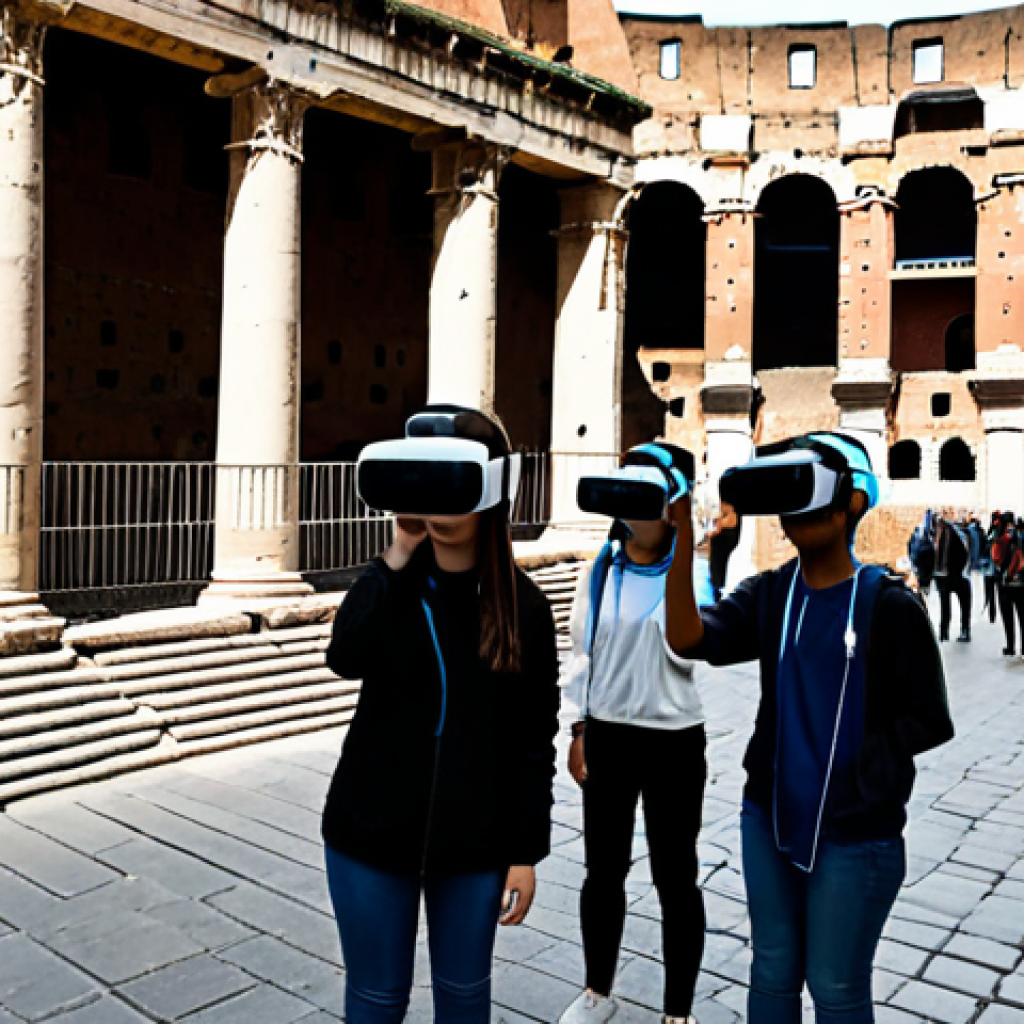
Imagine exploring the ancient ruins of Rome or the bustling streets of Tokyo without leaving your classroom. Virtual reality (VR) technology makes this possible.
VR field trips offer students immersive cultural experiences that can spark their curiosity and deepen their understanding of different cultures. We’re experimenting with VR technology to create pre-departure cultural orientation programs that allow students to familiarize themselves with their host country before they even arrive.
AI-Powered Language Learning: Personalized Language Acquisition
Learning a new language can be a daunting task. AI-powered language learning tools are making it easier and more effective. These tools provide personalized feedback, adaptive learning paths, and interactive exercises that cater to individual learning styles.
We’re incorporating AI-powered language learning tools into our programs to help students develop the language skills they need to thrive in their host country.
Here’s a table showcasing the diverse range of skills that an overseas education coordinator needs to excel:
| Skill Category | Specific Skills | Importance |
|---|---|---|
| Communication | Interpersonal skills, cross-cultural communication, negotiation, public speaking | High |
| Organizational | Project management, time management, event planning, record keeping | High |
| Problem-Solving | Critical thinking, conflict resolution, crisis management, decision-making | High |
| Technical | Data analysis, software proficiency, online research, social media management | Medium |
| Financial | Budgeting, financial planning, fundraising, grant writing | Medium |
| Language | Fluency in multiple languages, translation skills, cultural sensitivity | Medium |
Building Bridges, Not Walls: Fostering Cross-Cultural Understanding
Ultimately, the goal of overseas education is to foster cross-cultural understanding and promote global citizenship. By providing students with opportunities to live, learn, and interact with people from different cultures, we’re helping them develop empathy, tolerance, and a broader perspective on the world.
This is more important than ever in today’s increasingly interconnected and complex world.
Promoting Intercultural Dialogue: Creating Spaces for Meaningful Exchange
Creating opportunities for students to engage in meaningful intercultural dialogue is essential for breaking down stereotypes and building bridges between cultures.
We organize intercultural workshops, facilitate online discussions, and encourage students to participate in community service projects. These activities provide students with opportunities to share their own perspectives, learn from others, and develop a deeper understanding of different cultures.
Celebrating Diversity: Recognizing and Valuing Different Perspectives
Celebrating diversity is not just about tolerating differences; it’s about recognizing and valuing the unique perspectives that each culture brings to the table.
We encourage students to embrace their own cultural identities and to learn from the experiences of others. We also work to create inclusive environments where all students feel welcome, respected, and valued.
In Closing
Overseas education coordination is more than just a job; it’s a mission to empower students to explore the world, broaden their horizons, and become global citizens. It’s about navigating complexities, building relationships, and championing student well-being. While the challenges are real, the rewards—seeing students thrive in new environments and cultures—make it all worthwhile. It’s a constant learning process, adapting to new policies, technologies, and student needs, but the ultimate goal remains the same: to build bridges, not walls.
Useful Tips and Information
1. Check Exchange Rates Regularly: Keep an eye on currency fluctuations as they can significantly impact tuition fees and living expenses. Use reliable financial websites and consider consulting with a financial advisor.
2. Utilize Student Discounts: Many countries offer discounts on transportation, entertainment, and cultural attractions to international students. Be sure to obtain an international student identity card (ISIC) to take advantage of these savings.
3. Network with Alumni: Connect with alumni who have studied in your target country or university. They can provide valuable insights into the local culture, academic environment, and career opportunities.
4. Attend Pre-Departure Orientations: Take advantage of pre-departure orientations offered by your university or education coordinator. These sessions cover essential topics such as visa requirements, cultural norms, and safety precautions.
5. Learn Basic Phrases: Familiarize yourself with basic phrases in the local language. Even a few words can go a long way in making a good impression and facilitating your interactions with locals.
Key Takeaways
Overseas education coordination involves navigating complex visa processes, negotiating university agreements, managing crises, and supporting student well-being. Building strong relationships with embassy officials, university administrators, and students is crucial for success. Embracing technology and fostering cross-cultural understanding are essential for enhancing the overseas education experience and promoting global citizenship.
Frequently Asked Questions (FAQ) 📖
Q: What are the biggest challenges you face when organizing overseas education programs?
A: Honestly, the biggest challenge is the unpredictability. You can meticulously plan every detail, but there’s always a curveball. One year, we had a group of students accidentally order a platter of fermented shark in Iceland thinking it was some kind of local delicacy – cue some very green faces and a hilarious (in retrospect!) cultural lesson.
But seriously, beyond the funny anecdotes, ensuring student safety and well-being while navigating different cultural norms and sometimes frustrating bureaucratic processes in foreign countries keeps me on my toes.
It’s a constant balancing act between fostering independence and providing a safety net.
Q: How important is technology in shaping the future of overseas education programs?
A: Tech is absolutely crucial! I’m not just talking about Zoom lectures either. Think personalized learning platforms that adapt to a student’s individual learning style, virtual reality tours of potential study abroad locations, and AI-powered translation tools that break down language barriers.
I envision a future where students can collaborate with peers from around the world on real-world projects, access personalized mentorship, and build a global network before they even set foot on a plane.
The possibilities are endless, and honestly, pretty exciting.
Q: What advice would you give to someone considering studying abroad?
A: Do your research, but more importantly, be open to the unexpected. Read up on the local culture, learn a few basic phrases, and pack accordingly (comfortable shoes are a must!).
But don’t be afraid to step outside your comfort zone, embrace the awkward moments, and say “yes” to new experiences. That’s where the real learning happens.
Oh, and download a good translation app – you’ll thank me later. Seriously, studying abroad is an investment in yourself, so make the most of it!
📚 References
Wikipedia Encyclopedia
구글 검색 결과
구글 검색 결과
구글 검색 결과
구글 검색 결과
구글 검색 결과