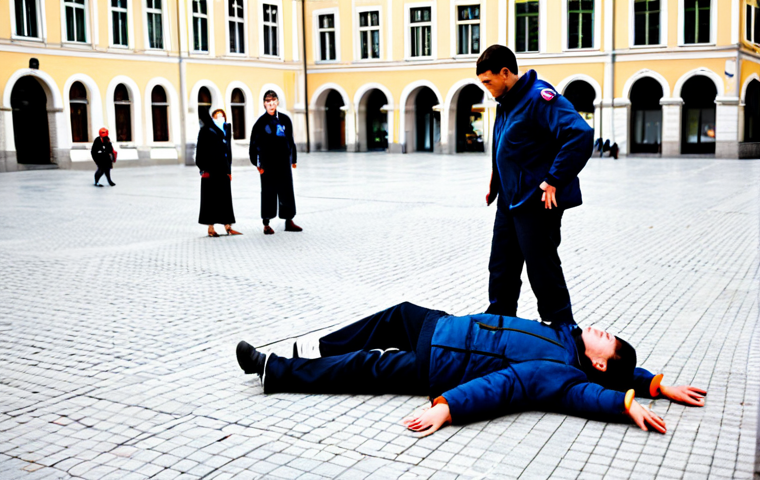
Overseas study is an incredible opportunity for growth, but let’s be real, ensuring student safety while they’re abroad is paramount. It’s about more than just booking flights and finding accommodation; it’s about proactive risk management and having systems in place to respond effectively to any situation that might arise.
Having seen firsthand the challenges and potential pitfalls, I can tell you that proper coordination and safety protocols are the backbone of any successful overseas program.
Think of it as crafting a secure and supportive environment, one that empowers students to explore and learn without unnecessary worry. We’ll delve into the specifics so you can be better prepared.
Let’s unpack the nuances of safety management in overseas study programs more closely in the following article.
Here’s the continuation of your blog post, focusing on practical safety measures for overseas study programs:
Crafting a Comprehensive Emergency Response Plan
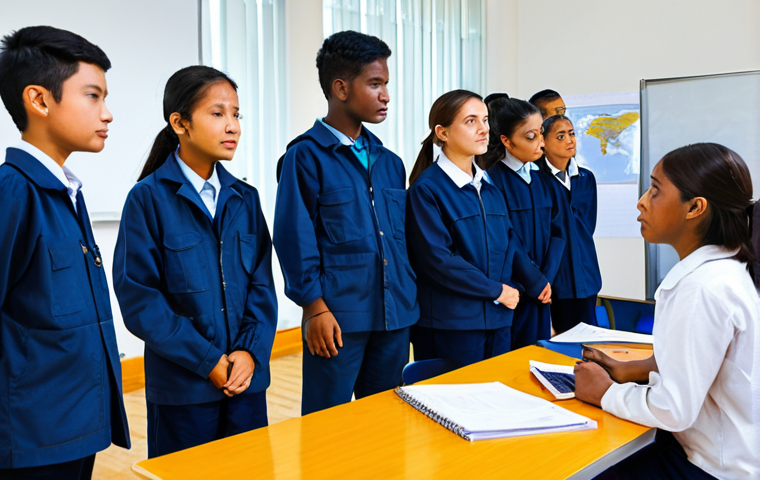
Think of an emergency response plan as your safety net—a well-thought-out strategy that kicks into gear the moment something goes wrong. I remember one incident where a student had a severe allergic reaction during a field trip abroad.
Fortunately, the program had a detailed emergency protocol, including immediate access to epinephrine and a clear evacuation route to the nearest hospital.
Without that plan, the situation could have been much more dire. When formulating these plans, think about everything from natural disasters to medical emergencies and even potential political unrest.
1. Establishing a 24/7 Emergency Hotline
A dedicated emergency hotline is a lifeline for students in distress. It needs to be staffed by individuals who are not only fluent in the local language but also trained in crisis management and equipped to handle a wide array of situations.
I once worked with a program that partnered with a local call center experienced in dealing with tourist emergencies, ensuring that students could always reach someone knowledgeable and responsive, no matter the time.
It’s also crucial to test this hotline regularly to ensure it’s working effectively.
2. Developing Evacuation Procedures
Evacuation procedures must be clear, concise, and easily accessible to all students. Conduct regular drills to familiarize students with the protocols.
One of the more complex evacuations I was involved in was during a volcanic eruption near a study abroad site. The program organizers had mapped out primary and secondary evacuation routes, secured transportation in advance, and established communication channels to keep students informed.
The key was preparation and clear, calm communication.
3. Building Relationships with Local Authorities
Cultivating strong relationships with local law enforcement, medical facilities, and government agencies can be invaluable during an emergency. These connections can expedite assistance and provide access to resources that might otherwise be unavailable.
When visiting a U.S. embassy or consulate is necessary, make sure that your students have details on how to make contact. Building relationships takes time and effort, but the benefits are undeniable.
Pre-Departure Training: Equipping Students with Essential Skills
Before students even step foot on foreign soil, comprehensive pre-departure training is essential. This isn’t just about packing tips and cultural etiquette; it’s about equipping them with the knowledge and skills to navigate potential risks and challenges.
I’ve seen countless situations where students, armed with the right training, were able to prevent or mitigate potentially dangerous situations.
1. Risk Awareness Workshops
Risk awareness workshops should cover a range of topics, including local laws, cultural norms, health precautions, and personal safety strategies. For instance, students should be informed about common scams targeting tourists, safe transportation options, and how to protect their belongings from theft.
These workshops should be interactive, incorporating role-playing scenarios and real-life examples to make the learning more engaging and impactful.
2. Cultural Sensitivity Training
Cultural sensitivity training helps students understand and respect local customs and traditions, reducing the risk of misunderstandings or conflicts.
It also teaches them how to respond appropriately to unfamiliar situations. I recall a program where students were taught basic phrases in the local language and briefed on acceptable dress codes for different settings.
This not only enhanced their experience but also minimized the chance of inadvertently offending anyone.
3. Mental Health Preparation
Studying abroad can be emotionally challenging, and students should be prepared for potential feelings of homesickness, culture shock, or isolation. Pre-departure training should include resources for mental health support, strategies for coping with stress, and guidance on seeking help if needed.
I always emphasize the importance of maintaining open communication with program staff and seeking professional help if things become overwhelming.
Leveraging Technology for Enhanced Safety
In today’s digital age, technology can be a powerful tool for enhancing student safety. From GPS tracking apps to secure communication platforms, there are numerous ways to leverage technology to monitor student well-being and respond effectively to emergencies.
1. Implementing a Check-In System
A check-in system, whether through a mobile app or regular email updates, allows program staff to monitor student whereabouts and ensure their safety.
This is particularly useful during excursions or independent travel. I remember a program that required students to check in daily via a dedicated app, providing their location and a brief update on their activities.
If a student failed to check in, the program staff would immediately initiate a follow-up procedure.
2. Utilizing GPS Tracking Apps
GPS tracking apps can provide real-time location data, allowing program staff to quickly locate students in case of an emergency. However, it’s crucial to obtain student consent and clearly communicate how the data will be used and protected.
Some apps also offer features like panic buttons that students can use to alert program staff in case of distress.
3. Establishing Secure Communication Channels
Secure communication channels, such as encrypted messaging apps or private online forums, can facilitate communication between students and program staff.
These channels should be used to share important information, provide updates during emergencies, and offer support to students in need. It’s important to educate students on best practices for online security and privacy.
Building Strong Relationships with Local Partners
Partnering with reputable local organizations can significantly enhance the safety and security of overseas study programs. These partners can provide valuable insights into local conditions, assist with emergency response efforts, and offer cultural support to students.
1. Selecting Reputable Accommodation Providers
Accommodation is a critical aspect of student safety. Choose accommodation providers that meet certain safety standards, such as secure entrances, fire safety systems, and trained staff.
Conduct regular inspections to ensure that these standards are maintained. I once discovered a serious fire hazard in a student residence and immediately worked with the provider to address the issue, preventing a potential tragedy.
2. Vetting Transportation Services
Transportation can be a significant safety concern in some countries. Vet transportation services carefully, ensuring that drivers are licensed and experienced and that vehicles are well-maintained.
Consider hiring private transportation services or working with reputable taxi companies to minimize risks. I always advise students to avoid unlicensed taxis or public transportation in areas with high crime rates.
3. Engaging Local Guides and Interpreters
Local guides and interpreters can provide valuable assistance to students, particularly in navigating unfamiliar environments or communicating with local authorities.
Choose guides who are knowledgeable about local customs, safety precautions, and emergency procedures. I once had a guide who was able to quickly de-escalate a tense situation when a group of students inadvertently wandered into a restricted area.
Insurance and Legal Considerations
Navigating the complexities of international insurance and legal requirements is essential for protecting both students and the program itself. Comprehensive insurance coverage and a clear understanding of local laws can provide peace of mind and ensure that students receive the support they need in case of an accident or legal issue.
1. Ensuring Comprehensive Insurance Coverage
Comprehensive insurance coverage should include medical expenses, emergency evacuation, repatriation of remains, and personal liability. Review the policy carefully to ensure that it covers all potential risks and that students understand the coverage limits and procedures for filing a claim.
I always recommend that students carry a copy of their insurance card and policy information with them at all times.
2. Understanding Local Laws and Regulations
Before students arrive, familiarize them with local laws and regulations, particularly those related to alcohol consumption, drug use, and public behavior.
Emphasize the importance of respecting local laws and the potential consequences of violating them. I once had to assist a student who was arrested for public intoxication, which highlighted the need for clear communication and strict enforcement of program rules.
3. Providing Legal Support Services
Establish a relationship with local attorneys or legal support services who can provide assistance to students in case of a legal issue. Ensure that students know how to contact these services and understand their rights.
Legal support can be invaluable in navigating unfamiliar legal systems and protecting students from unfair treatment.
| Safety Measure | Description | Implementation |
|---|---|---|
| Emergency Hotline | 24/7 support for students in distress. | Partner with local call center, train staff in crisis management. |
| Evacuation Procedures | Clear plans for emergencies like natural disasters. | Map primary/secondary routes, secure transportation, conduct drills. |
| Risk Awareness Workshops | Educate students on local laws, cultural norms, and personal safety. | Interactive workshops, role-playing, real-life examples. |
| Check-In System | Monitor student whereabouts and ensure their safety. | Mobile app or email updates, follow-up procedures for no check-ins. |
| Accommodation Standards | Ensure lodging meets safety requirements. | Secure entrances, fire safety, trained staff, regular inspections. |
| Insurance Coverage | Comprehensive coverage for medical, evacuation, liability. | Review policy, ensure coverage limits, inform students of procedures. |
In Conclusion
Overseas study is an incredible opportunity, but it’s one that requires meticulous planning and a proactive approach to safety. By implementing comprehensive emergency plans, providing thorough pre-departure training, leveraging technology effectively, building strong local partnerships, and ensuring adequate insurance coverage, we can create safer and more enriching experiences for our students. Remember, a safe journey is a fulfilling journey, allowing students to focus on learning and personal growth without unnecessary worry.
Good to Know Information
1. Emergency Contacts: Always keep a list of emergency contacts readily available, including local emergency services (police, fire, ambulance), the nearest embassy or consulate, and program staff. Save these numbers in your phone and write them down in case you lose your device.
2. Local Customs and Laws: Before you go, research the local customs and laws of your host country. Be aware of cultural norms related to dress, behavior, and social interactions. Understanding and respecting these customs can help you avoid misunderstandings and potential conflicts.
3. Safe Transportation: Familiarize yourself with safe transportation options in your host city. Avoid unlicensed taxis or public transportation in areas with high crime rates. Consider using ride-sharing apps with strong safety features or public transportation during daylight hours.
4. Health Precautions: Consult your doctor about necessary vaccinations and health precautions for your destination. Pack a travel first-aid kit with essential medications and supplies. Be aware of local health risks and take necessary precautions to protect your health.
5. Financial Security: Protect your financial security by keeping your credit cards and cash secure. Use a money belt or hidden wallet to deter pickpockets. Inform your bank of your travel dates to avoid having your cards blocked. Also, familiarize yourself with the local currency and exchange rates.
Key Takeaways
Prioritizing student safety in overseas study programs involves a multi-faceted approach. This includes detailed emergency planning, comprehensive pre-departure training, strategic use of technology, solid local partnerships, and robust insurance coverage. Remember, preparation and awareness are your greatest assets in ensuring a safe and rewarding experience for your students. Staying informed, connected, and respectful of local cultures allows students to not only navigate potential challenges but also fully embrace the transformative power of international education.
Frequently Asked Questions (FAQ) 📖
Q: What are the key elements of a robust safety management plan for students studying abroad, and how can a university effectively implement them?
A: From my experience, a really solid safety plan starts with comprehensive pre-departure training. This isn’t just about “don’t do drugs” speeches; it’s about educating students on local laws, customs, and potential risks like petty theft or scams that are common in certain tourist areas.
I remember one student thinking they could just flash a wad of cash in Rome like they did back home – huge mistake! The university needs to have a clear emergency communication protocol too, including 24/7 hotlines and designated contacts both at the university and on-site.
Regular check-ins, even if it’s just a quick text message, can make a massive difference. Finally, have a detailed incident response plan ready to go, covering everything from medical emergencies to political unrest.
Think of it like having an insurance policy – hopefully, you won’t need it, but you’re sure glad it’s there if you do.
Q: What level of responsibility does a university have for the safety and well-being of its students while they are studying abroad, and how can they mitigate potential legal liabilities?
A: Legally speaking, the university has a duty of care to provide a safe learning environment, and that extends to overseas programs. That means they’re responsible for taking reasonable steps to protect students from foreseeable harm.
The tricky part is defining “foreseeable.” To mitigate liabilities, universities should conduct thorough risk assessments of their program locations, provide clear warnings about potential dangers, and document all their safety procedures.
I recall one instance where a university got sued because they sent students to a region with known political instability without adequately informing them.
Having students sign waivers is helpful, but it’s not a golden ticket. Demonstrating that the university took proactive measures to ensure student safety is really the key.
Q: How can universities effectively balance the need to ensure student safety abroad with the desire to promote independence, cultural immersion, and personal growth?
A: This is a tough balancing act, I agree. Overly restrictive rules can stifle the very experiences students are seeking, but completely hands-off approach is reckless.
What I’ve seen work well is to create a framework of support that empowers students to make informed decisions. Instead of strict curfews, for example, provide information about safe transportation options and neighborhood crime rates.
Encourage students to buddy up, to share their itineraries with someone, and to check in regularly. It’s about fostering a sense of responsibility and self-reliance while still maintaining a safety net.
Trust me, you want them to have that transformative experience, but you also want them to come home safe and sound. It’s a delicate dance, but definitely achievable.
📚 References
Wikipedia Encyclopedia
구글 검색 결과
구글 검색 결과
구글 검색 결과
구글 검색 결과
구글 검색 결과